
The Seven Leave No Trace Principles Adapted for Dog Owners
Your RV isn’t just a home on wheels; it’s a high-speed delivery system for adventure. It can be much harder to Leave no Trace if you’ve got large, fluffy, tail-wagging roommates whose adventures usually involve a lot of mountain air, muddy paws, and the occasional “What are you eating?!?” moments.
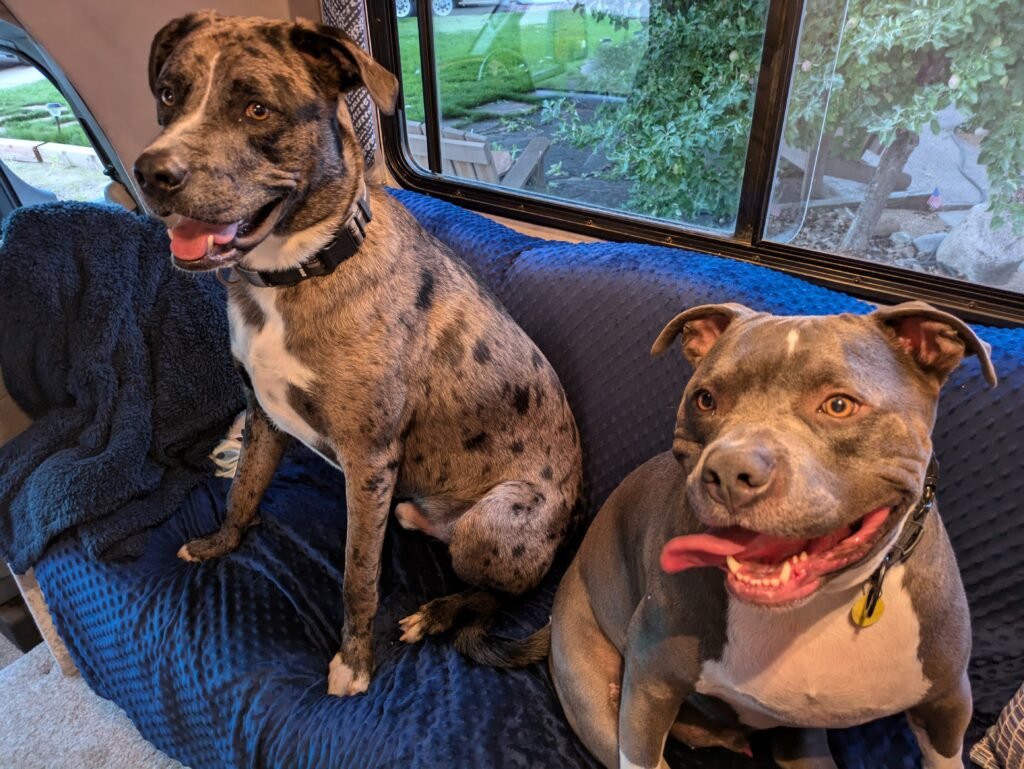
Traveling through the remote beauty of Colorado – from the high alpine areas of the San Juans to the hidden canyons of the Western Slope – is the very definition of adventure. However, with great adventures come great responsibilities – especially if you are traveling with dogs.
The Leave No Trace principles are the golden rules of the outdoors, and they were written for humans. Your dogs don’t get it, or care.
How do you keep the “wild” in the wilderness while your dogs are convinced every critter they come across is a potential new best friend or maybe something that absolutely MUST be chased after? Here are seven Leave No Trace Principles specifically for dog-loving RVers and backcountry explorers.
1. Plan Ahead and Prepare (The “Don’t Wing It” Rule)
In the remote corners of Colorado, “winging it” usually leads to unnecessary stress. That whole “failing to plan is planning to fail” thing is in full effect. Many of Colorado’s wilderness areas have specific dog regulations, such as requiring leashes at all times, while others are a little more low-key about things.
If your dog cuts loose and causes damage or harm out in the wild because you didn’t manage them properly based on the circumstances, that is on you. That type of situation can turn very bad in very many ways, so always err on the side of more control of your dogs, not less.
Also, high-altitude weather can turn from “sunny picnic” to “sideways sleet” in twenty minutes. Always pack for your dogs’ comfort and safety as much as your own. This includes a Dog First Aid Kit specifically designed for the trail and also the proper dogwear for the conditions. These basic precautions can go a very long way if things go south while you are traveling with your dogs.
2. Leave no Trace by Adventuring in the Right Places
Colorado’s ecosystem is surprisingly fragile. That beautiful tundra you see at 12,000 feet? It can take decades to recover from some footsteps that shouldn’t have been there to begin with. While we love seeing our dogs doing zoomies, letting them tear through wildflower meadows or fragile soil are examples of things that should be avoided.
When you’re at the campsite, stick to the established camping pads. If you’re boondocking out in the forest, try to set up your “dog zone” in areas where they won’t tear things up and/or possibly get hurt. To keep them from wandering into sensitive brush, use a long dog lead or tie-out. It gives them freedom to sniff without the risk of them trampling the local flora.
3. Dispose of Waste Properly (The “Poop Bag” Discussion)
This is a big one. There is a common myth that dog poop is “natural” and can just be left in the woods. Spoiler alert: It’s not. Dog waste contains nitrogen and phosphorus that can throw local ecosystems out of whack and introduce non-native bacteria into pristine Colorado water sources.
Pack it out: In high-traffic areas, bag it and take it with you. Tie it to your dog’s harness if you don’t want to carry it. The 200-Foot Rule: If you are in a truly remote area where packing it out is impossible, you should bury it in a “cat hole” at least 6 inches deep and at least 200 feet away from any water source, trail, or campsite.
To make the “pack it out” part less gross, try Earth Rated Poop Bags. They are thick, leak-proof, and often smell like lavender or some other fragrance instead of… well, the alternative.
4. Leave What You Find
“Take only pictures, leave only pawprints.” This principle isn’t just about not picking the columbines; it’s about making sure your dogs don’t “redecorate” the forest. This means discouraging them from digging holes (which leads to erosion) and preventing them from gnawing on live trees.
Also, be mindful of what your dog might be carrying. Seeds from invasive species love to hitch a ride in dog fur. Give your pups a good brush-down before moving from one region of Colorado to another to ensure you aren’t accidentally planting a weed garden in a place where it could do some real damage.
5. Leave No Trace by Minimizing Campfire Impacts
Nothing beats a campfire under the Colorado stars, but when RV traveling with dogs, safety is the priority. With large dogs, a cramped fireside can lead to singed tails, knocked-over logs, or worse. If the weather is borderline as far as fire safety, a campfire that escapes the confines of a well-crafted firepit can get out of control fast.
While camping in an area where fires are allowed, keep your dogs on the “upwind” side to avoid them inhaling too much smoke. If the ground is rocky or cold, bring along a Ruffwear Highlands Dog Sleeping Bag. It gives them a designated “place” to stay during the fire, keeping them warm, safe, and away from the embers.
6. Respect Wildlife
This is where the “large dog” factor really comes into play. To an elk, a moose, or a black bear, your 80-pound Lab looks like a predator. Even if your dog is the friendliest creature on earth, their presence causes stress to local wildlife.
In Colorado, Moose are a major concern. They are notoriously aggressive toward dogs. Keeping your dogs under control isn’t just about protecting the wildlife; it’s about protecting your dogs. If your dog doesn’t have a 100% reliable recall, keep them on a leash. Even if they do have a reliable recall, when properly stimulated, many dogs will opt to ignore a command they would normally listen to.
7. Be Considerate of other Visitors
Not everyone is a “dog person” (apparently these people exist!). Being a good ambassador for dog owners means ensuring your pups aren’t barking at every hiker that passes by or running up to greet strangers uninvited.
Keeping your camp clean is also part of being a good neighbor. After a long day of hiking, your dogs paws or coat can be a disaster area. Keep mud and wet fur out of public spaces such as picnic tables and pavilions. You can get portable dog paw cleaners for cheap and everyone will be better off for it.
The Big Picture when it comes to Leave No Trace
Camping in an RV with large dogs in Colorado is a lifestyle of pure joy. By following these adapted Leave No Trace principles, we ensure dog-friendly trails and adventures, the wildlife stays safe, and the scenery stays as breathtaking as the day we first found it.
We want our dogs to be able to enjoy our RV mountain adventures for years to come. Enjoy watching that Colorado sunset with your furry friends by your side knowing you’ve left the land exactly as you found it.
Ready for your next Colorado adventure? Get tons more useful info from our Camping with Dogs blog, and grab all the gear you and your pups need in our Gear up for the Adventure store!
Ready for your next Colorado adventure? Get tons more useful info from our Camping with Dogs blog, and grab all the gear you and your pups need in our Gear up for the Adventure store!